Canker sores, those pesky little ulcers that pop up inside your mouth, can be a real pain (literally!). They’re not only uncomfortable, but they can also make eating, drinking, and even talking a chore. While they’re not contagious and usually resolve on their own within one to two weeks, the discomfort they cause can feel like an eternity. This blog post is your one-stop shop for conquering canker sores. We’ll delve into the causes and triggers, explore various relief methods, and provide tips on preventing future outbreaks. So, grab your favorite soothing beverage, settle in, and get ready to banish those pesky sores!
What Causes Canker Sores?
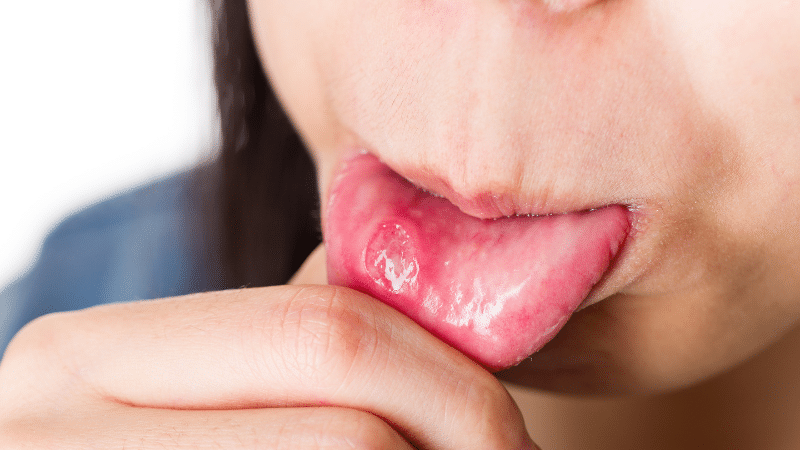
Canker sores, also known as aphthous ulcers, are small, shallow ulcers that typically appear on the soft tissues inside your mouth, like the inner cheeks, lips, tongue, or gum lining. They’re usually round or oval-shaped, with a white or gray center surrounded by a red border. While the exact cause of canker sores remains a mystery, several factors are believed to contribute to their development:
Minor mouth injuries: Biting your cheek or tongue, brushing too hard, or ill-fitting dentures can all irritate the delicate tissues inside your mouth and trigger the formation of canker sores.
Stress: Feeling overwhelmed, anxious, or stressed can weaken your immune system and make you more susceptible to developing canker sores.
Dietary deficiencies: A lack of essential vitamins and minerals, such as vitamin B12, iron, zinc, or folic acid, might play a role in the development of canker sores.
Hormonal fluctuations: Women are more prone to canker sores. This is especially true during menstruation, pregnancy, and menopause due to hormonal changes in the body.
Certain medications: Some medications, such as nonsteroidal anti-inflammatory drugs (NSAIDs) like ibuprofen or naproxen, can irritate the mouth lining and contribute to canker sores.
Food allergies or sensitivities: While not fully understood, certain foods, such as acidic fruits, spicy dishes, or chocolate, might trigger canker sores in some individuals. It’s important to note that food triggers can vary from person to person, and identifying any potential triggers can help you manage your canker sores.
Signs & Symptoms of Canker Sores
So, how do you know if you have a canker sore? Here’s a breakdown of the telltale signs and symptoms:
- Pain and burning: The most characteristic symptom of canker sores is pain or a burning sensation in the mouth. This discomfort can range from mild to severe, and it often intensifies when you eat, drink, or brush your teeth.
- Appearance: Canker sores typically appear as round or oval ulcers with a well-defined border. They are usually shallow, with a white or yellowish center surrounded by a red halo. The size can vary, but they are generally smaller than a centimeter in diameter.
- Tingling or burning sensation: Sometimes, you might experience a tingling or burning sensation in the area where the canker sore will develop a day or two before it actually appears.
- Number of sores: Canker sores can occur singly or in clusters of two or three. However, large clusters of sores, especially if accompanied by other symptoms like fever or fatigue, could indicate a more serious underlying condition.
Relief Strategies for Canker Sores
Don’t despair! While they usually heal on their own within a week or two, here are some effective strategies to help you find sweet relief and soothe the sting:
Tame the Flame
- Over-the-counter pain relievers: Medications like acetaminophen or ibuprofen can be your warriors against pain and inflammation. These can help dull the discomfort and make eating, talking, and even smiling more bearable.
- Topical anesthetics: Gels, ointments, or sprays containing lidocaine or benzocaine act like little numbing ninjas. They temporarily block pain signals, offering a much-needed respite from the throbbing sensation.
Rinse and Repeat for Relief
- Mouth rinses: Opt for alcohol-free rinses containing chlorhexidine or hydrogen peroxide. These can be your knights in shining armor, working to reduce inflammation and fight bacteria that might slow down healing.
- Saltwater rinses: This age-old remedy remains a trusty companion. Mix half a teaspoon of salt in a warm glass of water, swish gently for 30 seconds, and repeat this soothing ritual several times a day. Remember, gentleness is key – harsh swishing can irritate the sore further.
Coat and Protect
- Protective pastes: Create a shield for your sore with a paste made from baking soda and water. Apply a thin layer directly to the canker sore. This not only protects it from further irritation but also promotes a healing environment.
- Honey: Nature’s sweet solution comes to the rescue! Honey has natural antibacterial and healing properties. Dab a small amount directly onto the sore for some gentle relief.
Cool It Down
For a touch of coolness and reduced swelling, apply an ice pack wrapped in a thin cloth to the outside of your cheek or lip for short intervals. Remember, never apply ice directly to the sore, as this can cause further irritation.
Canker sores, while not life-threatening, can be a nuisance and cause discomfort. Fortunately, several strategies can help you manage them and find relief. Whether you choose over-the-counter remedies, natural home care approaches, or preventive measures, remember to be gentle with your mouth during an outbreak. If your canker sores are severe, persistent, or accompanied by other symptoms, consult a healthcare professional for proper diagnosis and treatment. With the right approach, you can find ways to soothe your canker sores and get back to enjoying your daily routine.