Welcome to our blog post on dental implant aftercare! If you’ve recently undergone dental implant surgery or are considering it in the future, this is a must-read for you. Dental implants are a fantastic solution for replacing missing teeth and restoring your smile. However, proper care and maintenance after the procedure are crucial to ensure a smooth recovery and long-lasting results. In this article, we will guide you through the essential steps of dental implant aftercare, provide tips to prevent infection, and give advice on what to do if you experience any complications. So let’s dive right in and discover how to take care of your beautiful new smile!
What is Dental Implant Aftercare?
After undergoing dental implant surgery, it’s crucial to follow proper aftercare instructions to ensure a successful recovery. Dental implant aftercare refers to the steps and precautions you need to take in order to promote healing, minimize discomfort, and maintain the longevity of your implants.
One important aspect of dental implant aftercare is oral hygiene. While your mouth heals from the surgery, it’s essential to keep it clean by gently brushing your teeth twice a day with a soft-bristle toothbrush. Be sure to pay extra attention to the area around the implants while not applying too much pressure.
In addition to regular brushing, using an antibacterial mouthwash can help prevent infection and reduce inflammation around the surgical site. Rinse your mouth thoroughly for about 30 seconds after each meal or snack.
During the first few days following surgery, it may be necessary to modify your diet temporarily. Stick with soft foods that are easy on your gums, and avoid hot beverages until any numbness has worn off completely.
To alleviate discomfort and swelling after dental implant surgery, placing an ice pack on your cheek near the surgical area for 15 minutes at a time can provide relief. However, make sure not to place ice directly on your skin as this could cause frostbite.
Attending all scheduled follow-up appointments with your dentist is crucial during dental implant aftercare. These visits allow them to monitor healing progress and promptly address any concerns before they become bigger issues.
By diligently following these dental implant aftercare guidelines, you can optimize healing time and enjoy long-term success with your new smile!
Dental Implant Removal: The Process
- So, you’ve decided to have a dental implant removed. Whether it’s due to complications or simply a change of plans, the removal process is an important step in your dental journey. But what does it actually involve?
- It’s essential to understand that a qualified and experienced dentist or oral surgeon should always perform dental implant removal. They will carefully evaluate your case and determine the best approach for removing the implant while minimizing any potential damage to surrounding tissue.
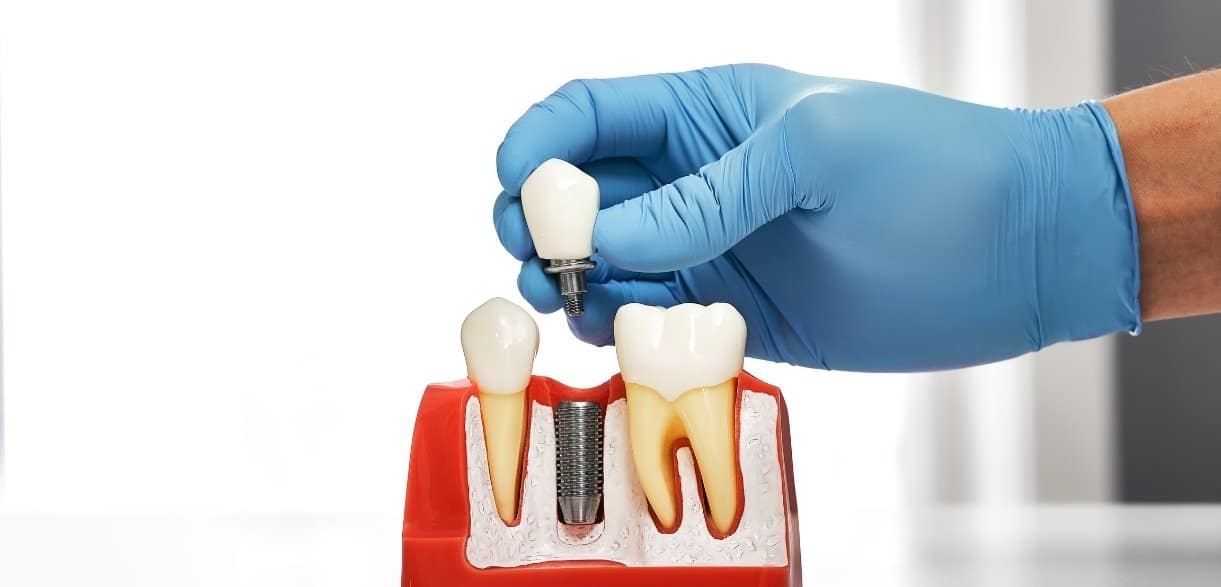
- The process typically begins with local anesthesia to ensure your comfort throughout the procedure. Then, using specialized instruments, the dentist gently detaches the crown or prosthesis from the abutment, connecting it to the implant post.
- Next comes careful manipulation of the implant itself. The dentist may use forceps or other techniques depending on how firmly the implant has become into your jawbone. This step requires precision and finesse as they work to loosen and extract the entire implant without causing unnecessary trauma.
- Once successfully removed, any remaining debris or bacteria are thoroughly cleaned from both the extraction site and surrounding gum tissues. The area is then sutured closed if necessary, promoting proper healing.
- It’s crucial not to attempt removing a dental implant yourself at home as this can lead to serious complications such as infection or damage to nearby teeth and bone structure. Always consult with your dentist, who can guide you through each step of this delicate process.
- Remember that every case is unique; therefore, recovery time can vary depending on factors such as bone density and overall oral health. Your dentist will provide specific aftercare instructions tailored just for you – so follow them diligently!
- By understanding what goes into dental implant removals, you’ll feel more confident when discussing options with your dentist and making informed decisions about your oral health journey!
Steps to Take After Dental Implant Surgery
After undergoing dental implant surgery, taking proper care of your mouth is essential to ensure a smooth recovery. Here are some important steps to follow in the post-surgery period.
1. Take prescribed medications: Your dentist may prescribe painkillers or antibiotics to prevent infection and manage any discomfort. It’s crucial to take these medications as instructed.
2. Control bleeding: Gently biting down on gauze pads provided by your dentist can help control bleeding after surgery. Change them regularly as directed.
3. Apply ice packs: To reduce swelling, apply ice packs outside your face for 15 minutes, with breaks in between.
4. Maintain oral hygiene: While you should avoid brushing near the surgical area immediately after surgery, continue brushing and flossing other teeth carefully twice a day using a soft-bristled toothbrush.
5. Follow a soft diet: Stick to soft foods like soups, mashed potatoes, yogurt, and smoothies during the initial healing period. Avoid hard or chewy foods that could irritate the surgical site.
6. Avoid smoking and alcohol consumption: Both smoking and alcohol can delay healing and increase the risk of complications such as infection or implant failure. It’s best to refrain from them until fully recovered.
Remember that everyone’s recovery process is unique; consult your dentist if you have any concerns or experience prolonged pain or unusual symptoms.
How Often Should You Appear In The Dentist?
- Regular dental check-ups are crucial for maintaining the health of your teeth and gums, especially after getting dental implants. But how often should you appear in the dentist’s office? Well, it depends on several factors.
- After a successful dental implant surgery, your dentist will likely recommend follow-up visits to monitor the healing process and ensure everything goes smoothly. Typically, these post-implant appointments occur within the first few weeks after surgery. During these visits, your dentist will examine the area around the implant site to check for any signs of infection or complications.
- Once you’ve fully healed from your dental implant procedure, it’s important to continue seeing your dentist regularly – just like with natural teeth. Most dentists recommend scheduling routine check-ups every six months. These regular visits allow your dentist to assess the overall condition of both your implants and remaining natural teeth.
- However, everyone’s oral health needs are unique. Depending on circumstances such as gum disease or other underlying issues, more frequent visits may be necessary. Your dentist will advise you on how often you should come in based on a thorough oral health evaluation.
- Remember that prevention is key when it comes to maintaining healthy dental implants. By visiting your dentist regularly and following their recommended appointment schedule, you can help prevent potential problems before they worsen.
- So don’t neglect those regular check-ups! Make sure to prioritize consistent dental care to ensure long-lasting success with your dental implants.
What To Do If You Experience Bleeding or Swelling After Surgery
- Experiencing bleeding or swelling after dental implant surgery can be concerning, but there are steps you can take to manage these symptoms and promote a smooth recovery.
- It’s important to remember that some bleeding and swelling is normal after surgery. However, if the bleeding is excessive or doesn’t subside within 24 hours, it’s crucial to contact your dentist for further guidance. In the meantime, gently biting down on a clean gauze pad placed over the surgical site can help control bleeding.
- To reduce swelling, applying an ice pack wrapped in a thin cloth to your face near the surgical area for 15 minutes at a time can provide relief. It’s essential not to place the ice directly on your skin to avoid potential damage.
- Maintaining good oral hygiene is also vital during this period. Be sure to continue brushing your teeth as usual but avoid touching or aggravating the surgical site while doing so. Rinsing with warm saltwater several times a day may help soothe discomfort and keep bacteria at bay.
- Following any specific instructions provided by your dentist regarding pain medication or antibiotics will aid in managing post-surgery symptoms effectively.
- Remember, every patient’s experience may vary slightly, so it’s always best to consult with your dental professional if you have any concerns about bleeding or swelling after dental implant surgery. They will be able to provide personalized advice based on your unique situation and guide you toward a successful recovery!
Tips for Preventing Infection After Surgery
Preventing infection after dental implant surgery is essential for a smooth recovery. Here are some tips to help you keep your mouth healthy and minimize the risk of infection.
1. Follow your dentist’s instructions: Your dentist will provide detailed post-operative care instructions. It is crucial to follow these guidelines diligently to ensure proper healing and reduce the chances of infection.
2. Maintain good oral hygiene: Brushing and flossing regularly, even if it feels uncomfortable at first, is crucial in preventing infections. Be gentle around the surgical area, but do not neglect other parts of your mouth.
3. Rinse with a saltwater solution: Saltwater rinses can help cleanse the surgical site and promote healing while reducing bacteria growth. Mix half a teaspoon of salt in eight ounces of warm water and gently swish it around your mouth several times a day.
4. Avoid smoking or using tobacco products: Smoking delays healing by impairing blood flow and negatively affecting the immune system’s ability to fight off infections.
5. Stick to soft foods initially: For the first few days after surgery, stick to soft foods that require minimal chewing. This will prevent irritation or damage to the surgical site while reducing bacterial exposure from harder-to-clean food particles.
Proper aftercare is crucial to ensure a smooth recovery after dental implant surgery. By following the steps and tips mentioned above, you can promote healing, prevent complications, and maintain the longevity of your dental implants.
Remember to take it easy during the initial days after surgery and give yourself time to rest. Follow your dentist’s instructions regarding oral hygiene practices and avoid smoking or consuming hard foods that can damage the implants.
Regular visits to your dentist for check-ups are essential for monitoring the progress of your dental implants and addressing any concerns promptly. Contact your dentist immediately if you experience excessive bleeding, swelling, or signs of infection, such as fever or severe pain.
By practicing good oral hygiene habits at home and maintaining regular professional care, you can enjoy the benefits of your dental implants for years to come. Remember that each person’s recovery process may vary slightly depending on individual factors, so it’s always important to consult your dentist for personalized advice.
With proper care and attention, you’ll be able to regain confidence in your smile with dental implants – a permanent solution that enhances both function and aesthetics. Say goodbye to missing teeth and hello to a brighter future!