
Are you considering getting dental implants to improve your smile and confidence? You’re not alone! Dental implants have become increasingly popular, offering a long-lasting solution for missing teeth. But how long do dental implants last? Will they truly stand the test of time? In this blog post, we will dive into the world of dental implants, explore their longevity, and uncover the benefits they bring. So sit back, relax, and discover if dental implants are a lifetime investment worth making!
How Do Dental Implants Work?
Dental implants are a marvel of modern dentistry, providing a permanent solution for those missing one or more teeth. But how do they work? Let’s delve into the fascinating process.
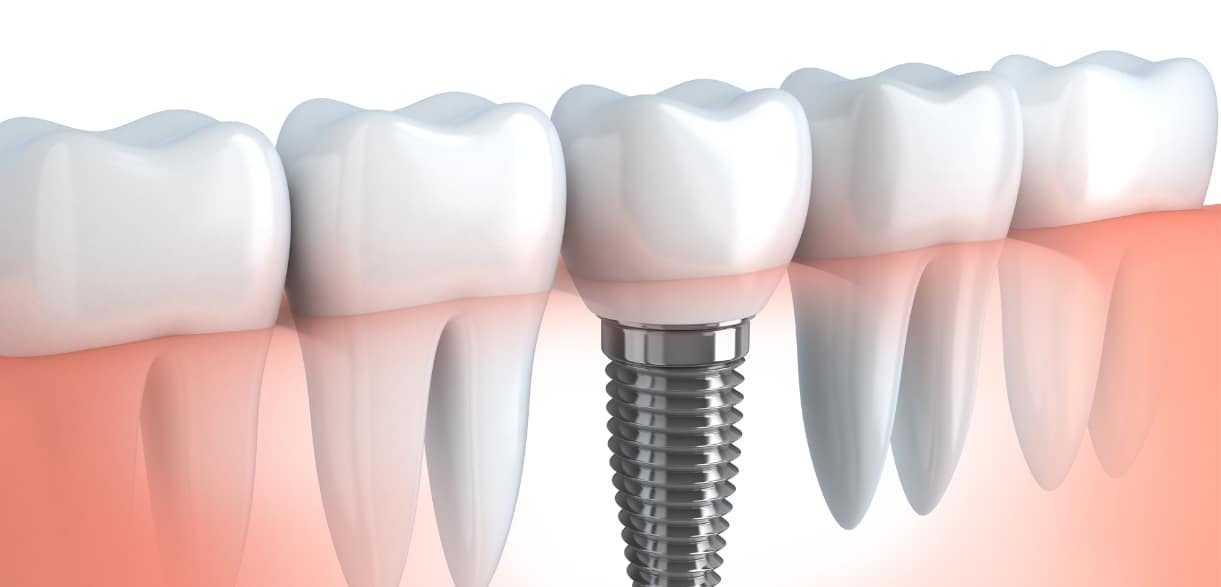
Dental implants have two main components: the implant and the prosthetic tooth. The implant is made of titanium and serves as an artificial root that is surgically placed into the jawbone. This offers the replacement tooth a solid base.
Once the implant is securely in place, osseointegration takes place. This remarkable natural process occurs over time as bone cells grow and fuse with the titanium implant, essentially integrating it into your jawbone. This fusion creates unmatched stability and durability.
After that, the implant is connected to an abutment once osseointegration is complete. The abutment connects the implant and the prosthetic tooth or crown, ensuring proper alignment and function.
A custom-made prosthetic tooth matches your teeth in color, shape, and size. This replacement tooth is securely attached to the abutment, completing your flawless smile restoration.
Now, let’s move on to the part where we discuss how long Dental Implants last.
How Long Do Dental Implants Last?
How long do dental implants last? This is a common question among individuals considering this popular tooth replacement option. The good news is that dental implants are intended to solve tooth loss permanently.
One of the reasons why dental implants have gained popularity over the years is their durability. Unlike other tooth replacement options, such as dentures or bridges, which may need to be replaced every few years, dental implants can last a lifetime with proper care.
The lifespan of dental implants can vary depending on various factors, including oral hygiene practices and overall health. However, studies have shown that the success rate of dental implant procedures after 10 years is around 95%. With regular check-ups and diligent oral hygiene habits at home, you can significantly increase the longevity of your dental implants.
The materials used in modern dental implant technology also contribute to their longevity. Titanium posts are typically used as the artificial roots for the implant, providing a strong foundation for the prosthetic tooth or crown that sits on top. These titanium posts fuse with the jawbone through osseointegration, creating a stable and durable support system for the replacement tooth.
While individual experiences vary slightly based on personal circumstances, dental implants can last a lifetime.
The benefits of Dental implants are numerous, some of which are mentioned below:
What Are The Benefits Of Dental Implants?
Dental implants offer numerous benefits, making them popular for replacing missing teeth. First and foremost, they provide a permanent solution. Dental implants can last a lifetime with appropriate care, unlike other tooth replacement options, such as dentures and bridges, which may need to be replaced every few years.
One of the major advantages of dental implants is their natural appearance and feel. They are custom-made to match the color and shape of your existing teeth, blending seamlessly into your smile. This aesthetic appeal can greatly enhance your self-confidence and overall quality of life.
Another benefit is improved oral health. Dental implants don’t require any alteration or support from adjacent teeth, unlike traditional bridges that rely on neighboring teeth for stability. This means that the implant placement keeps your natural teeth intact and unaffected.
In addition to their functional benefits, dental implants also contribute to better long-term oral health. They help preserve jawbone density by stimulating bone growth through osseointegration – where the implant fuses with the surrounding bone tissue. This prevents bone loss and maintains facial structure over time.
Furthermore, dental implants restore normal chewing function, allowing you to enjoy all types of food without discomfort or limitations. You can bite into crunchy fruits and chewy foods without worrying about dislodging or damaging your prosthetic tooth.
Dental implants provide a durable, aesthetically pleasing solution for replacing missing teeth while promoting optimal oral health in the long run.
How Do You Take Care Of Dental Implants?
Proper maintenance is required to ensure the longevity and success of your dental implants. Here are key points to keep in mind:
Oral Hygiene Matters: Treat your dental implants like natural teeth. Brush and floss regularly to prevent plaque buildup and maintain gum health.
Soft Bristles Are Best: Opt for a soft-bristle toothbrush to avoid scratching the implant or causing irritation to your gums.
Non-Abrasive Toothpaste: Use non-abrasive toothpaste to prevent damaging the implant’s surface. Consult your dentist for recommendations.
Interdental Cleaning: Clean between teeth and around the implant using floss or interdental brushes to reach areas a toothbrush can’t.
Regular Dental Visits: Schedule routine check-ups and cleanings with your dentist. They will monitor your implants and address any issues promptly.
Avoid Tobacco and Alcohol: Smoking and excessive alcohol consumption can hinder healing and increase the risk of complications.
Protect Against Teeth Grinding: If you grind your teeth, consider using a nightguard to prevent pressure on your implants while you sleep.
Balanced Diet: Maintain a diet rich in nutrients that promote oral health, aiding in the implant’s overall stability.
Stay Hydrated: Drink plenty of water to keep your mouth moist and reduce the risk of oral health problems.
Follow Post-Op Instructions: Adhere to instructions provided by your dentist after the implant procedure for optimal healing.
Following these simple steps and maintaining good oral hygiene practices can help ensure your dental implants stay strong and functional for years to come!
Dental implants are a remarkable solution for individuals seeking to replace missing teeth. They offer numerous benefits, including improved appearance, enhanced oral health, and increased functionality. While the lifespan of dental implants can vary depending on various factors such as oral hygiene and overall health, with proper care and maintenance, they have the potential to last a lifetime.
By choosing dental implants to replace missing teeth, you can regain confidence in your smile and ability to eat comfortably. With advancements in technology and ongoing research in implant dentistry, there is every reason to believe these innovative restorations will continue providing lasting results for years. If you have any questions about dental implants or want more information about whether they suit you, don’t hesitate to consult a qualified dentist specializing in implant dentistry. Remember: investing in your oral health is an investment in yourself!