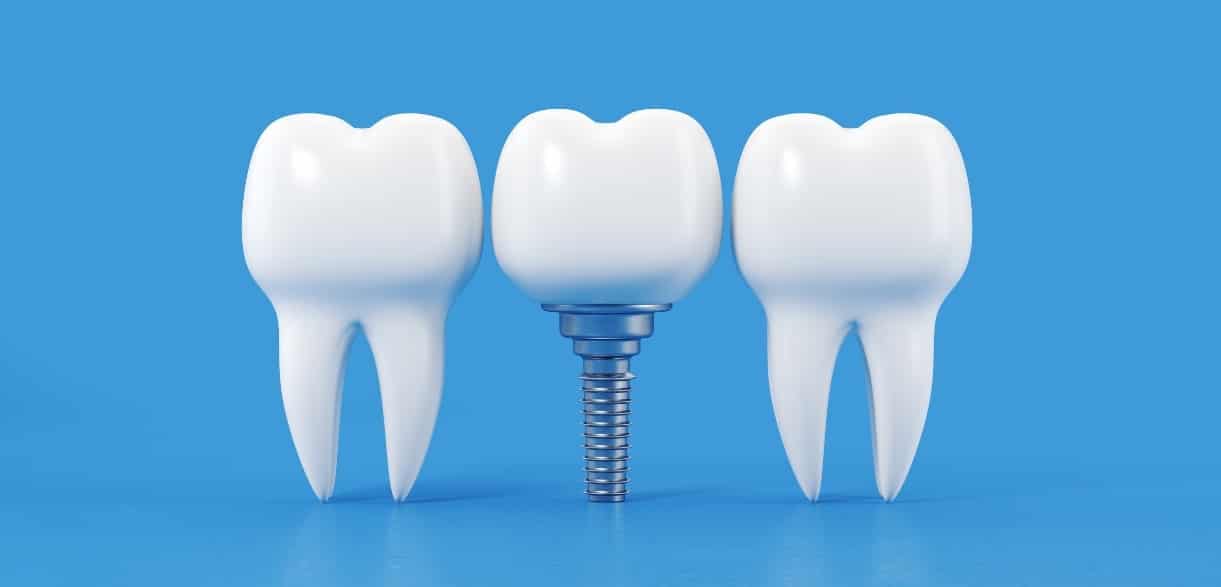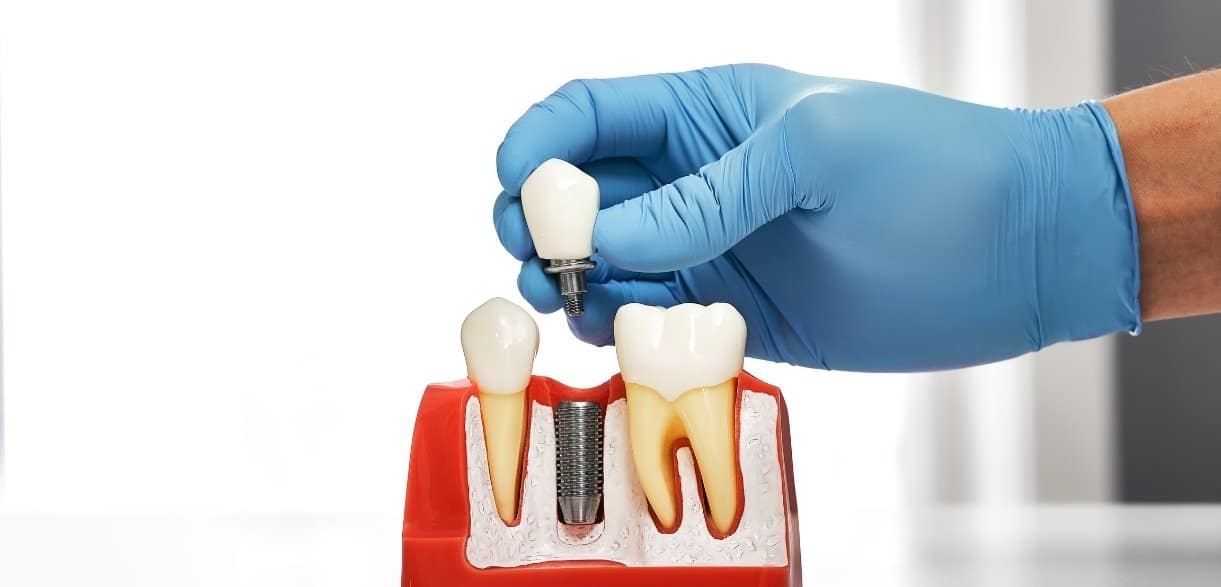

In recent years, dental implants have emerged as a revolutionary solution for people with tooth loss. Offering a durable, natural-looking alternative to bridges or dentures, dental implants have transformed countless lives by restoring not just smiles but also confidence and functionality. However, for many considering this procedure, a critical question remains: How much do dental implants cost in 2024?
Why Do You Need Dental Implants?
Dental implants serve as a groundbreaking solution for individuals dealing with tooth loss or certain dental issues. There are several compelling reasons why someone might consider getting dental implants:
Replacement of Missing Teeth: Dental implants are an ideal option for replacing one or more missing teeth. Unlike traditional dentures or bridges, implants offer a permanent and sturdy solution that looks, feels, and functions like natural teeth.
Enhanced Appearance and Self-Confidence: Tooth loss can impact one’s appearance and self-esteem. Dental implants are designed to replicate the natural appearance of teeth. As a result, it improves facial aesthetics and restores confidence in one’s smile and overall appearance.
Improved Speech: Missing teeth or ill-fitting dentures can affect speech and pronunciation. Dental implants provide stability, enabling clearer speech and better communication without worrying about slippage or discomfort.
Restored Chewing and Eating Functionality: With dental implants, individuals can regain the ability to bite and chew properly, allowing for a more varied diet and improved digestion. Unlike removable dentures, implants function similarly to natural teeth, offering stability and strength.
Preservation of Jawbone and Oral Health: Tooth loss can lead to bone resorption in the jaw, causing the bone to deteriorate over time. Dental implants stimulate the jawbone, preventing bone loss and maintaining oral health by preserving bone density.
Long-Term Durability: When properly cared for, dental implants can last for many years, even a lifetime. This makes them a durable and long-term solution for tooth replacement.
Prevention of Adjacent Teeth Shifting: Empty spaces caused by missing teeth can lead to adjacent teeth shifting and misalignment. Dental implants fill these gaps, preventing neighboring teeth from moving out of place.
Understanding the Cost Breakdown
The cost of dental implants can vary significantly based on several factors, including the following:
Number of Implants: The total cost will depend on the number of implants needed to replace missing teeth. Whether it’s a single tooth or multiple teeth, each implant has its associated expense.
Type of Implant: Different types of implants, such as traditional implants, mini implants, or all-on-four implants, come with varying costs. The materials used and the complexity of the procedure can influence these expenses.
Preliminary Procedures: Some individuals may require preliminary treatments like bone grafting or sinus lifts before the implant procedure. It helps to ensure the jawbone can adequately support the implants. These additional procedures can impact the overall cost.
Key Factors Influencing Dental Implant Pricing:
- Diagnostic Procedures: Comprehensive dental examinations, including 3-D imaging, play a crucial role in determining the suitability for dental implants. While some dental practices offer complimentary CT scans, others charge between $350 and $515 for this essential service.
- Procedure Complexity: The intricate nature of dental implant procedures means that the specific needs of the patient often determine costs. Factors such as the necessity for tooth extractions, abutment installations, and crown fabrications can influence the final price tag.
- Geographical Location: Dental implant costs can also vary based on the location of the dental practice. Generally, metropolitan areas tend to have higher pricing due to increased operational costs.
- Additional Treatments: Patients may require supplemental treatments like sinus lifts or bone grafts to ensure the jawbone’s health and stability. These additional procedures can contribute to the overall expenses.
Dental implants stand as a remarkable innovation in modern dentistry, offering a comprehensive solution for individuals dealing with tooth loss or specific dental challenges. As of 2024, these prosthetic replacements have revolutionized the way people restore their smiles, confidence, and oral functionality. The decision to pursue dental implants involves careful consideration of various factors, including cost, individual dental health, and overall well-being. While the upfront investment in dental implants may seem substantial, their long-term benefits far outweigh the initial expense. Understanding the nuances of dental implant treatment empowers individuals to make informed decisions tailored to their unique dental needs and circumstances.