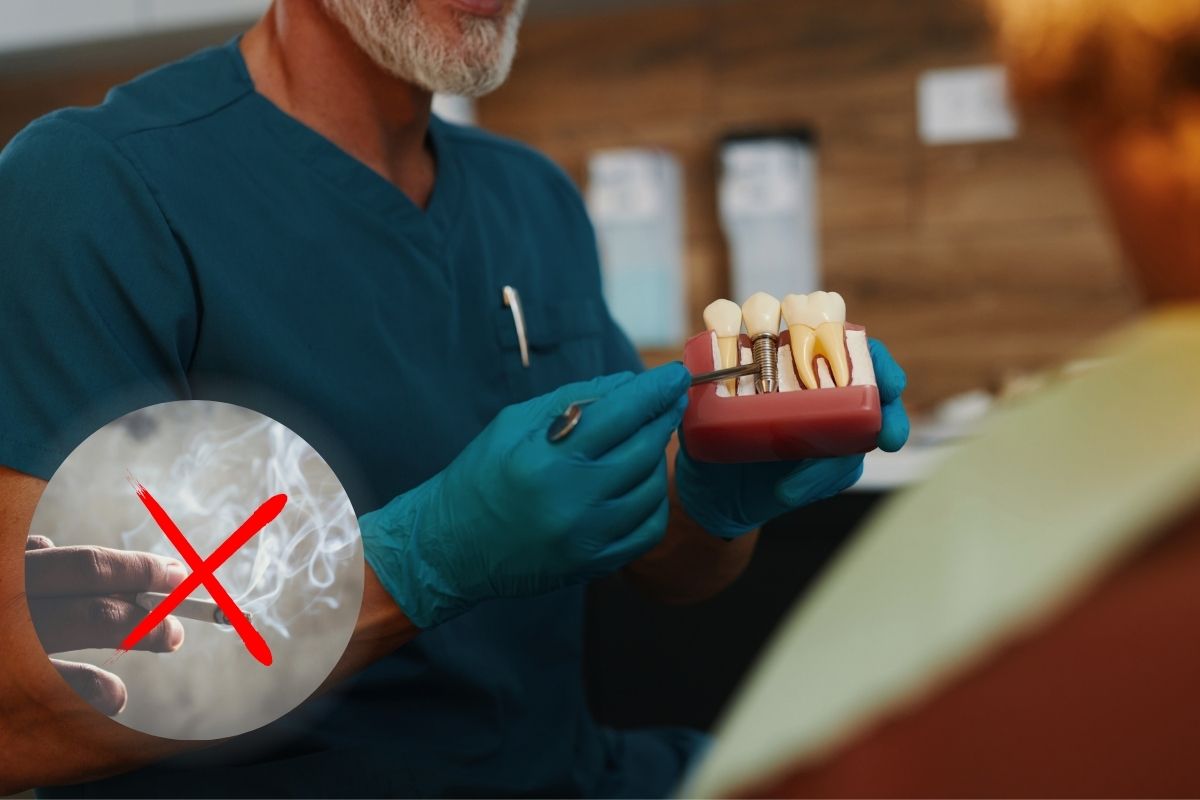
Dental implants have come a long way, and they can replace missing teeth, offering a natural-looking result. However, like any medical procedure, their success depends on various factors. One such factor is smoking. Smoking has long been associated with a variety of oral health issues, including gum disease and delayed healing, which can directly impact the success of dental implants.
If you’re considering dental implants or are in the process of recovering from them, understanding the risks that smoking poses and how to mitigate them is crucial.
The Impact of Smoking on Dental Implants
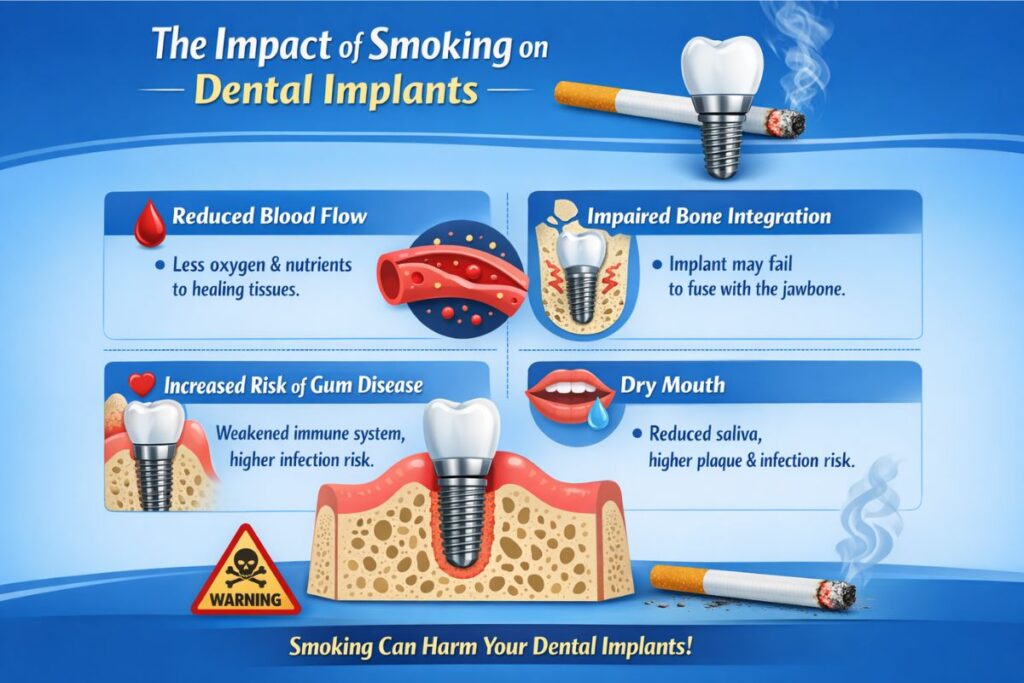
Smoking is well-known for its detrimental effects on overall health, but it can be particularly harmful to dental implants. The healing process following implant surgery is critical, and smoking can interfere with this process in several ways:
- Reduced Blood Flow: Smoking constricts blood vessels, limiting the delivery of oxygen and nutrients to healing tissues. This can delay recovery and increase the risk of infection.
- Impaired Bone Integration: Successful dental implant placement relies on osseointegration, in which the implant fuses with the jawbone. Smoking can hinder this process, leading to implant failure.
- Increased Risk of Gum Disease: Smoking weakens the immune system, making it harder for the body to fight off infections. This is especially troublesome for dental implants, which rely on healthy gum tissue to remain stable.
- Dry Mouth: Smoking can reduce saliva production, leading to dry mouth. Saliva is essential for oral health, as it helps wash away food particles and bacteria. A dry mouth increases the risk of plaque buildup and infection around the implant site.
Can Smoking Cause Dental Implants to Fail?
Yes, smoking can increase the likelihood of dental implant failure. The effects mentioned above such as reduced blood flow, impaired bone integration, and a higher risk of gum disease can all contribute to complications that lead to implant failure. The body’s ability to heal after surgery is compromised, and the chances of infection or inflammation are higher.
However, it’s important to note that not everyone who smokes will experience implant failure. Factors like the number of cigarettes smoked, the health of the individual’s gums and bones before surgery, and the care taken during the recovery period all play significant roles.
Recovery Tips for Smokers After Dental Implant Surgery
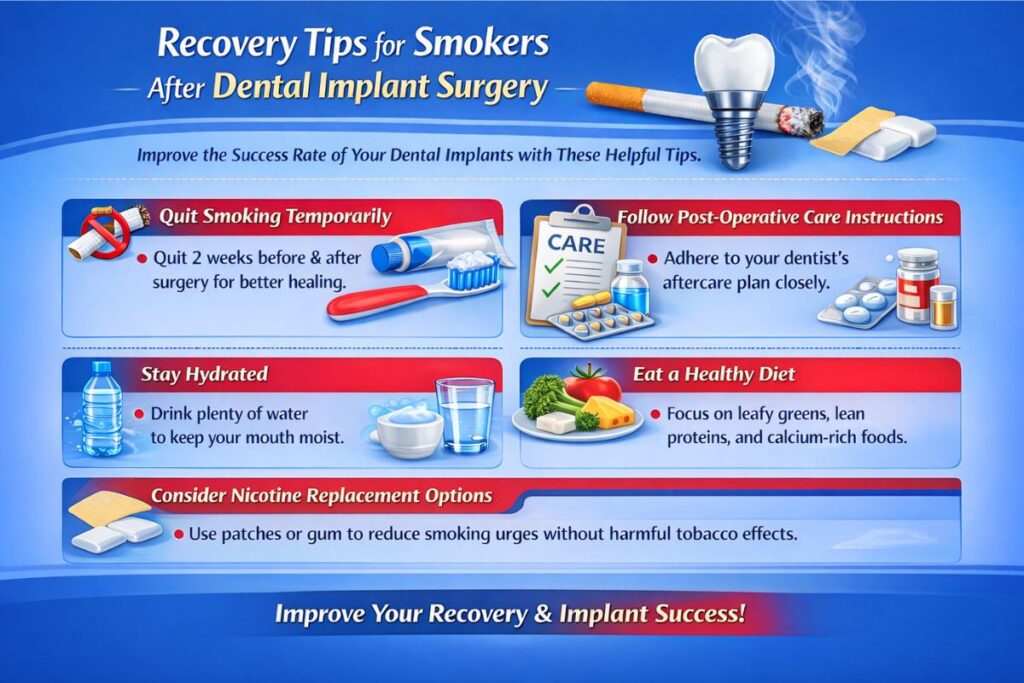
If you’re a smoker and have recently undergone dental implant surgery or are planning to undergo one, here are some recovery tips to help improve the chances of your implants being successful:
- Quit Smoking Temporarily: Ideally, quitting smoking before and after your dental implant surgery can greatly improve the chances of success. The American Dental Center recommends that patients stop smoking for at least two weeks before and after surgery. This gives your body the best chance to heal properly.
- Maintain Good Oral Hygiene: Brush and floss regularly to keep your mouth clean and free from bacteria. Be gentle around the implant site to avoid irritating the area while it heals. Your dentist may also recommend an antibacterial mouthwash to help reduce the risk of infection.
- Follow Post-Operative Care Instructions: Your dentist will provide you with detailed care instructions after your implant surgery. Follow them closely to ensure proper healing. This may include avoiding certain foods, taking prescribed medications, and attending follow-up appointments.
- Stay Hydrated: Drinking plenty of water can help keep your mouth moist and reduce the risk of dry mouth. It’s essential to stay well hydrated to support your body’s healing process.
- Eat a Healthy Diet: A balanced diet rich in vitamins and minerals will help your body heal more quickly. Focus on foods that support bone and tissue health, such as leafy greens, lean proteins, and foods rich in calcium and vitamin D.
- Consider Nicotine Replacement Options: If you’re struggling to quit smoking completely, consider using nicotine replacement options, such as patches or gum, which can help reduce your urge to smoke without the harmful effects of tobacco.
The Role of Professional Care in Ensuring Success
While quitting smoking is one of the best things you can do to ensure the success of your dental implants, professional care is also crucial. At the American Dental Center in Miami Gardens, we prioritize patient education and recovery to help you get the best results. Our team provides personalized care and guidance to help you through every step of the implant process, from consultation to recovery.
If you’re looking for dental implants in Miami Gardens, our dental care team can help guide you through the process with foolproof advice, advanced technology, and compassionate care. Contact us today to schedule a consultation with our team!
People Also Ask
1. Can smoking cause dental implant failure?
Yes, smoking can reduce blood flow, impair healing, and increase the risk of infection, all of which contribute to dental implant failure.
2. How long should I wait to smoke after dental implant surgery?
It is highly recommended to stop smoking for at least two weeks before and after your surgery to help ensure proper healing.
3. Can I use nicotine gum instead of smoking after dental implant surgery?
Nicotine gum may be a better option than smoking, as it avoids the harmful effects of tobacco smoke. However, it’s still best to quit nicotine altogether for optimal healing.
4. How can I reduce the risk of infection after dental implant surgery?
Follow your dentist’s care instructions, maintain good oral hygiene, and stay hydrated to reduce the risk of infection and promote healing.
5. Are there alternatives to dental implants for smokers?
Yes, there are alternatives to dental implants, such as bridges or dentures. However, dental implants are often the best long-term solution for replacing missing teeth.