
Sensitive teeth can be a real pain – literally. The discomfort of sensitive teeth can range from mild twinges to severe pain, making everyday activities like eating and drinking a challenge. But fear not! There are natural ways to prevent and alleviate the discomfort of sensitive teeth without relying solely on expensive dental treatments. In this comprehensive guide, we’ll explore practical tips and strategies to help you naturally prevent and cure sensitive teeth, allowing you to enjoy life without the fear of discomfort. So, let’s dive in and discover how to achieve a healthy, pain-free smile!
Understanding Sensitive Teeth:
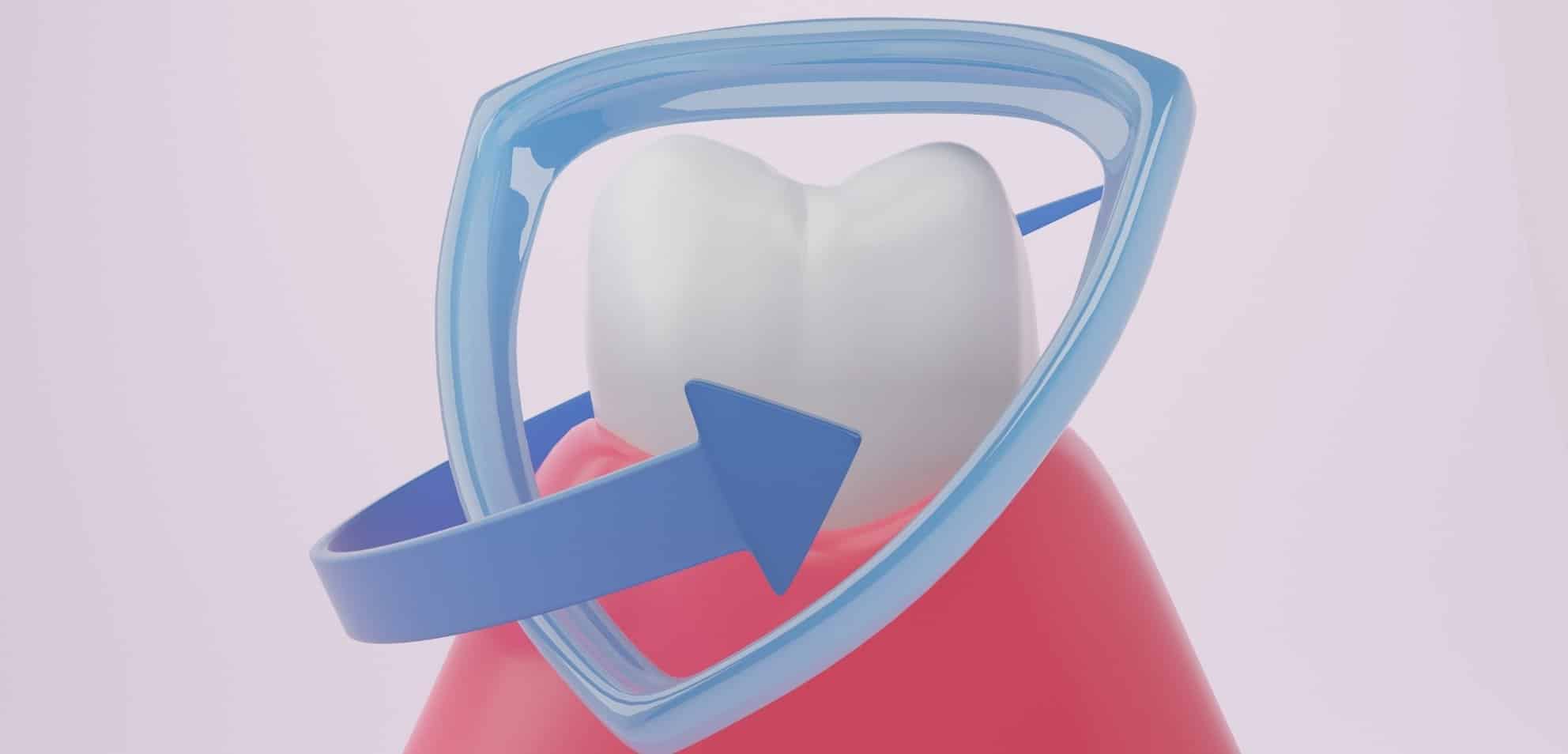
Before we delve into prevention and treatment strategies, let’s first understand what causes sensitive teeth. Sensitive teeth occur when the enamel on the outer layer of your teeth becomes worn down or when gum recession exposes the underlying dentin, which contains nerve endings. Common causes of sensitive teeth include:
Overbrushing: Brushing your teeth too vigorously or using a hard-bristled toothbrush can wear down the enamel, leading to sensitivity.
Acidic Foods and Beverages: Consuming acidic foods and drinks can erode tooth enamel, exposing the dentin and causing sensitivity.
Gum Recession: Gum disease or improper brushing techniques can cause your gums to recede, exposing the sensitive roots of your teeth.
Tooth Grinding (Bruxism): Grinding or clenching your teeth, especially at night, can wear down enamel and contribute to tooth sensitivity.
Prevention Strategies:
Now that we understand the causes of sensitive teeth, let’s explore some preventive measures you can take to keep your pearly whites pain-free:
Gentle Brushing Technique: Use a soft-bristled toothbrush and gentle, circular motions to clean your teeth. Avoid applying too much pressure, as this can damage enamel and irritate gums.
Limit Acidic Foods and Drinks: Reduce your intake of acidic foods and beverages such as citrus fruits, sodas, and wine. When you do consume acidic foods, rinse your mouth with water afterward to neutralize acids and protect your enamel.
Practice Proper Oral Hygiene: Brush your teeth twice a day and floss daily to remove plaque and prevent gum disease. Consider using fluoride toothpaste to strengthen enamel and reduce sensitivity.
Wear a Mouthguard: If you grind your teeth at night, wearing a mouthguard can help protect your teeth from damage and reduce sensitivity.
Natural Remedies for Sensitive Teeth:
In addition to preventive measures, several natural remedies can help alleviate the discomfort of sensitive teeth:
Saltwater Rinse: Rinse your mouth with warm saltwater to soothe sensitive teeth and reduce inflammation. Saltwater has natural antiseptic properties that can help prevent infection and promote healing.
Clove Oil: Clove oil contains eugenol, a natural anesthetic that can numb the nerves in your teeth and gums, providing temporary relief from sensitivity. Apply a small amount of clove oil to the affected area using a cotton swab.
Green Tea: Green tea is rich in antioxidants and has anti-inflammatory properties that can help reduce gum inflammation and sensitivity. Drink a cup of green tea daily or use it as a mouthwash to soothe sensitive teeth.
Oil Pulling: Oil pulling involves swishing a tablespoon of coconut oil around in your mouth for 15-20 minutes to remove bacteria and promote oral health. Oil pulling may help reduce sensitivity by strengthening enamel and reducing plaque buildup.
Sensitive teeth can put a damper on your daily life, but with the right preventive measures and natural remedies, you can find relief and regain control of your oral health. By adopting a gentle brushing technique, avoiding acidic foods, practicing proper oral hygiene, and incorporating natural remedies into your routine, you can prevent and alleviate the discomfort of sensitive teeth. Remember, consistency is key, so make these habits a part of your daily routine for a healthy, pain-free smile. If you continue to experience sensitivity despite these measures, don’t hesitate to consult with your trusted dentist in your location for personalized advice and treatment options. Here’s to happy, healthy teeth!