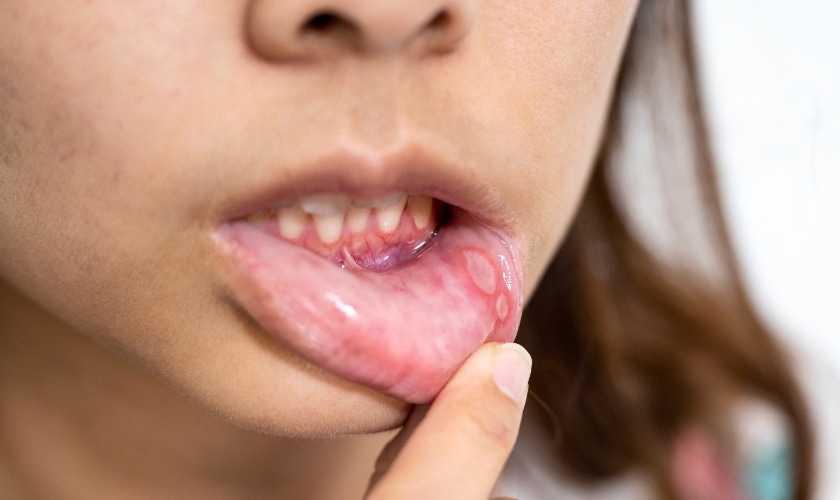

November is not only a time to embrace fall’s crisp weather and Thanksgiving feasts; it’s also American Diabetes Month. While we focus on raising awareness about diabetes, it’s crucial not to overlook its impact on oral health. Diabetes can significantly affect your teeth and gums, making it essential to take proactive steps in maintaining good oral hygiene. This comprehensive guide will explore the connection between diabetes and oral health and provide practical tips to protect your teeth and gums.
The Diabetes-Oral Health Connection
Increased Risk of Gum Disease
People with diabetes are more susceptible to gum disease (periodontal disease). Elevated blood sugar levels can weaken the body’s ability to fight off bacteria, leading to gum infections. In turn, gum disease can make it harder to control blood sugar levels, creating a challenging cycle.
Dry Mouth Concerns
Diabetes can cause dry mouth, a condition where there is insufficient saliva production. Saliva is essential for rinsing away food particles and neutralizing acids in the mouth. Without adequate saliva, there’s a higher risk of tooth decay and gum problems.
Tooth Decay and Cavities
High blood sugar levels can lead to an increase in acids that contribute to tooth enamel erosion. This, coupled with dry mouth and poor blood circulation, makes people with diabetes more prone to tooth decay and cavities.
Delayed Healing
Diabetes can slow down the body’s natural healing processes, which can affect oral health. If you have a dental procedure, such as a tooth extraction or gum surgery, it may take longer for your mouth to heal properly. This can increase the risk of infection and other complications.
Increased Risk of Thrush
Thrush, a fungal infection in the mouth, is more common in individuals with diabetes, especially if their blood sugar levels are poorly controlled. Thrush can lead to white or red patches in the mouth, discomfort, and altered taste. Managing blood sugar levels is crucial in preventing and managing thrush.
Impaired Taste Sensation
Diabetes can also affect your sense of taste. Some individuals with diabetes may experience alterations in taste perception, such as a metallic or bitter taste in the mouth. This can impact dietary choices and overall enjoyment of food, potentially affecting nutrition and oral health.
Practical Tips for Controlling Diabetes & Maintaining Your Oral Health
Control Blood Sugar Levels
Maintaining stable blood sugar levels is essential for managing diabetes. You can achieve this by monitoring your blood glucose regularly and adhering to your prescribed treatment plan. It’s also helpful to recognize how certain foods and activities affect your blood sugar, allowing you to make informed choices.
Regular Dental Check-Ups
Scheduling regular dental check-ups is vital for individuals with diabetes. During these visits, your dentist will not only clean your teeth but also assess your gum health and look for any signs of oral complications related to diabetes. This proactive approach ensures early detection and timely intervention.
Maintain Good Oral Hygiene
In addition to brushing and flossing, consider using an antimicrobial or fluoride mouthwash to protect your teeth and gums further. Replacing your toothbrush every three to four months or sooner if the bristles become frayed is important. Also, consult your dentist about special toothbrushes or tools designed for individuals with diabetes.
Stay Hydrated
Drinking water is essential to combat dry mouth. Carry a reusable water bottle with you to encourage regular hydration throughout the day. Discuss options like artificial saliva products with your dentist or healthcare provider if dry mouth persists.
Choose Tooth-Friendly Snacks
Alongside tooth-friendly snacks, incorporate foods rich in fiber and whole grains into your diet. These choices can help stabilize blood sugar levels and promote better oral health. Snacking on raw vegetables or a small handful of nuts can be both diabetes-friendly and kind to your teeth.
Limit Sugary Treats
If you consume sugary treats, consider timing them with a meal rather than snacking on them throughout the day. This can minimize the impact on blood sugar levels and reduce the exposure of your teeth to sugar. After indulging in sweets, rinse your mouth with water or chew sugar-free gum to help neutralize acids and cleanse your mouth.
During American Diabetes Month, it’s essential to remember that managing diabetes extends beyond blood sugar control. Your oral health plays a crucial role in your overall well-being. By understanding the connection between diabetes and oral health and implementing practical tips to protect your teeth and gums, you can confidently navigate this journey. Don’t let diabetes hold you back from a radiant smile and optimal oral health. Embrace these tips, consult your healthcare team, and prioritize your well-being this American Diabetes Month and beyond