Welcome to our blog post on gum recession! If you’ve noticed that your gums are starting to pull back from your teeth, then you may be experiencing gum recession. This common dental condition can not only affect the appearance of your smile but also lead to more serious oral health problems if left untreated. This article will discuss the signs and symptoms of gum recession and effective treatment options. So grab a cup of tea and settle in as we dive into the world of healthy gums!
What Is The Gum Recession?
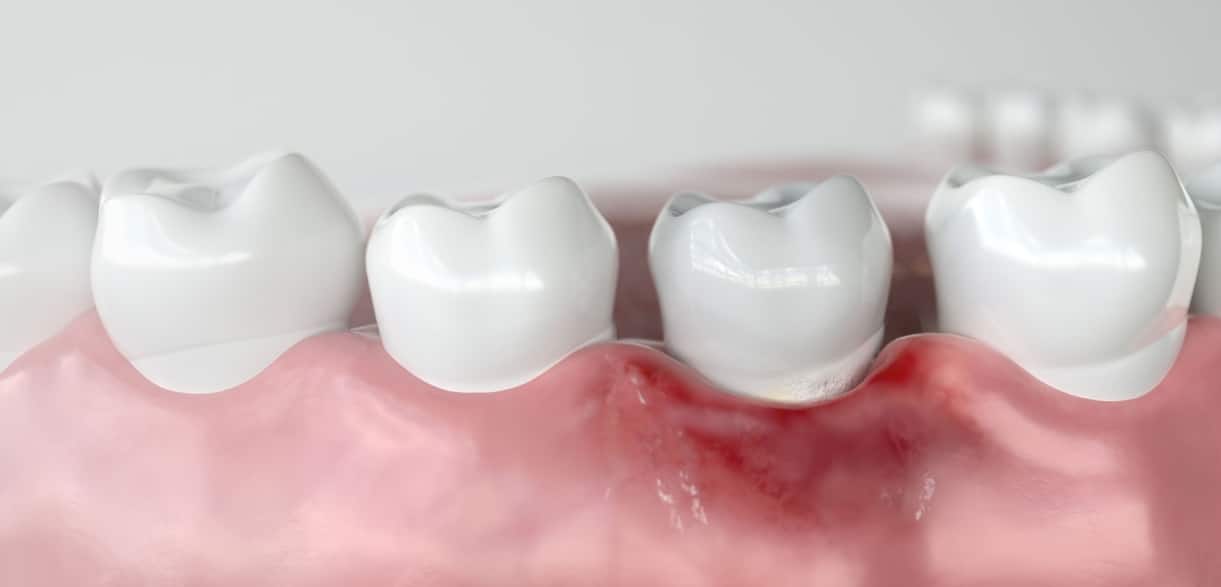
Gum recession occurs when the gum tissue surrounding your teeth wears away or pulls back, exposing more of the tooth’s root. This can create gaps or pockets between the gums and teeth, allowing harmful bacteria to accumulate. Gum recession is often a gradual process that may go unnoticed until it becomes more severe.
Several factors can contribute to gum recession. One common cause is periodontal disease, also known as gum disease. This bacterial infection can damage the gums and underlying bone structure if left untreated, leading to gum recession.
In addition to poor oral hygiene habits, aggressive brushing techniques and using a toothbrush with hard bristles can also contribute to gum recession. Other factors such as hormonal changes (especially in women during pregnancy), genetics, smoking, grinding or clenching of teeth (bruxism), and certain medical conditions like diabetes may increase the risk of developing gum recession.
It’s important to note that early detection and treatment are key in preventing further damage from occurring. So, if you notice any signs of gum recession, it’s crucial to consult with your dentist for an accurate diagnosis and appropriate treatment plan tailored specifically for you.
To know the proper treatment, we should know the symptoms of gum recession in the first place.
Signs You Might Have Gum Recession
Gum recession is a common dental problem that can go unnoticed until it becomes more severe. It occurs when the gum tissue pulls back or wears away, exposing more tooth roots. If you experience any of the following signs, it could indicate that you have gum recession:
1. Tooth Sensitivity: Do you cringe at eating something hot, cold, or sweet? Increased tooth sensitivity is one of the early symptoms of gum recession. When your gums recede, it exposes parts of your teeth unprotected by enamel.
2. Longer-Looking Teeth: Notice that your teeth appear longer than usual. This visual change in tooth length often accompanies gum recession.
3. Visible Roots: Look closely at your smile in the mirror and check for exposed tooth roots between your gums and teeth. This is a telltale sign of gum recession.
4. Bleeding gums: While bleeding gums may be attributed to other dental issues such as gingivitis, it can also indicate gum recession if accompanied by other symptoms.
5. Loose teeth: As gum recession progresses, it can lead to loose teeth or changes in how they fit together when biting down.
If you notice any signs mentioned above or suspect you might have gum recession, consult a dentist promptly for proper diagnosis and treatment options tailored to your needs. Remember, early detection and intervention are crucial for preventing further damage to your oral health!
How to Treat Gum Recession
Gum recession can be worrisome, but the good news is that various treatment options are available. The type of treatment recommended will depend on the severity of your gum recession and its underlying cause.
One common approach to treating gum recession is deep cleaning, scaling, and root planing. This involves removing plaque and tartar buildup from the teeth and smoothing any rough spots on the tooth roots. This helps prevent further progression of gum disease and encourages reattachment of the gums to the teeth.
Surgical intervention may sometimes be necessary to treat advanced gum recession. Procedures such as gum grafting involve taking tissue from another part of your mouth (or using donor tissue) and grafting it onto the affected areas. This helps cover exposed tooth roots, reduce sensitivity, improve aesthetics, and promote healthy tissue regeneration.
Another option for treating gum recession is laser therapy. Using a dental laser, your dentist can remove diseased tissue and efficiently stimulate healing with minimal discomfort.
Maintaining good oral hygiene practices at home is crucial for preventing further gum recession. Brushing twice a day with a soft-bristled brush, flossing daily, using an antimicrobial mouthwash, and visiting your dentist regularly for professional cleanings are all essential to maintaining healthy gums.
It’s important to note that early detection plays a key role in successful treatment outcomes for gum recession. If you suspect you have receding gums or notice any signs discussed earlier in this article, promptly schedule an appointment with your dentist.
Remember that everyone’s situation is unique when treating gum recession. Your dentist will evaluate your needs before recommending a suitable treatment plan tailored just for you.
Gum recession is a common dental problem that should not be ignored. If you notice any of the symptoms mentioned in this article, it is important to take action and seek treatment as soon as possible. Gum disease can lead to more serious oral health issues if left untreated, including periodontitis.
If you have already experienced gum recession or suspect you might be at risk, don’t hesitate to consult your dentist or periodontist. They will be able to provide a proper diagnosis and recommend appropriate treatment options based on the severity of your condition.
By being proactive about your oral health and promptly addressing gum recession, you can prevent further complications and maintain a beautiful smile for years. Remember: Healthy gums are the foundation for strong teeth!