Teeth grinding, or bruxism is a common dental problem affecting millions worldwide. While it may seem harmless, teeth grinding can seriously affect your dental health and overall well-being. In this comprehensive blog post, we’ll explore the various warning signs of teeth grinding, its causes, and, most importantly, practical tips and strategies to help you manage and prevent this potentially damaging habit. Let’s dive in.
6 Warning Signs Of Teeth Grinding
1. Morning Jaw Pain and Headaches
Waking up with a sore jaw or frequent headaches can be an early indication of teeth grinding. During the night, the excessive pressure on your teeth can lead to muscle tension and discomfort, often concentrated in the jaw and head area. This persistent strain can even extend to your neck and shoulders, causing lingering discomfort throughout the day.
2. Tooth Sensitivity
Do you find yourself wincing when consuming hot or cold beverages? Teeth grinding can wear down the protective enamel, exposing the sensitive dentin underneath and making your teeth more susceptible to temperature-related discomfort. Over time, this sensitivity can progress, making routine activities like eating and drinking a painful experience.
3. Chipped, Cracked, or Flattened Teeth
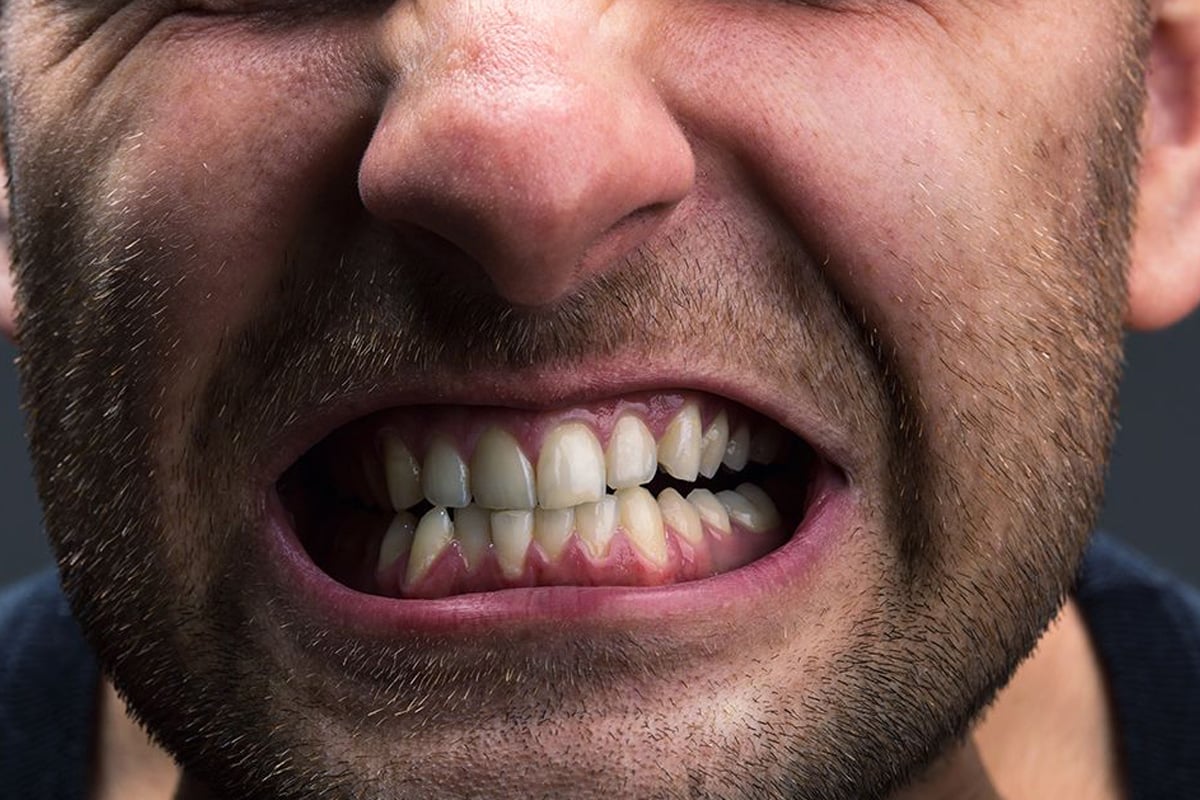
One of the most noticeable signs of bruxism is the physical damage it inflicts on your teeth. Over time, the continuous grinding can lead to chipped, cracked, or flattened teeth, requiring dental intervention to repair. The structural damage can also lead to changes in your bite alignment, potentially causing further dental issues.
4. Audible Grinding Sounds
Sometimes, teeth grinding is loud enough to be heard by others. If your partner or family members have mentioned hearing unusual sounds from your mouth while you sleep, it’s a strong indicator of bruxism. This disrupts your sleep and can also be a source of embarrassment and stress in your personal life.
5. Tight or Tired Jaw Muscles
Chronic clenching and grinding can cause your jaw muscles to become overworked and fatigued. This can result in facial pain, chewing discomfort, and restricted mouth movement. In severe cases, it may lead to temporomandibular joint disorder (TMD), a painful condition affecting the jaw joint.
6. Disturbed Sleep Patterns
Bruxism often disrupts your sleep, both for you and your partner. You may wake up frequently during the night or experience restless sleep due to the discomfort caused by grinding. This chronic sleep disruption can lead to daytime fatigue, decreased cognitive function, and a lower quality of life.
What Causes Teeth Grinding?
Understanding the root causes of teeth grinding is essential to addressing the issue effectively. Some common triggers include:
Stress and Anxiety
High stress levels, anxiety, and unresolved tension are major contributors to bruxism. When stressed, your body’s natural response may include clenching and grinding your teeth, especially during sleep. The increased muscle tension associated with stress can lead to persistent bruxism, causing dental problems and discomfort.
Malocclusion
Misaligned teeth or an improper bite can lead to bruxism, as your teeth don’t align correctly when you close your mouth. This misalignment can create pressure points, prompting your jaw to adjust and grind teeth as it seeks a more comfortable position. Over time, this can result in significant tooth wear and damage.
Medications and Stimulants
Certain medications, such as antidepressants and stimulants, may increase the risk of teeth grinding. These substances can affect the central nervous system, leading to involuntary jaw clenching and grinding. If you suspect your medication contributes to bruxism, consult your healthcare provider for possible alternatives or solutions.
Alcohol and Caffeine
The consumption of alcohol and caffeine, especially close to bedtime, can exacerbate teeth grinding. Both substances can disrupt your sleep patterns and relax the muscles in your body, including the jaw, making it easier to grind teeth during sleep. Reducing or eliminating these substances from your diet, especially in the evening, can help mitigate bruxism.
Sleep Disorders
Some sleep disorders, such as sleep apnea, are closely linked to teeth grinding. Sleep apnea causes brief interruptions in your breathing during sleep, leading to micro-awakenings that trigger bruxism episodes. Treating the underlying sleep disorder can often alleviate bruxism symptoms.
Lifestyle Factors
Excessive alcohol consumption, smoking, and recreational drug use can increase the risk of teeth grinding. These habits can affect your nervous system, increasing muscle activity in the jaw area during sleep. Addressing these lifestyle factors can be a crucial step in managing bruxism.
Strategies To Manage & Prevent Teeth Grinding
Stress Management Techniques
Since stress is a significant trigger for bruxism, incorporating stress-relief practices into your daily routine can be immensely beneficial. Try mindfulness meditation, deep breathing exercises, or yoga to relax your mind and body.
Custom Mouthguards
Dentists often recommend custom-fitted mouthguards to protect your teeth from grinding during sleep. These appliances create a barrier between your upper and lower teeth, preventing further damage.
Caffeine and Alcohol Moderation
Reduce your consumption of caffeine and alcohol, especially in the hours leading up to bedtime. Opt for soothing herbal teas instead.
Dental Check-Ups
Regular dental check-ups are crucial for detecting and addressing any dental issues caused by bruxism. Your dentist can recommend appropriate treatments to restore your teeth.
Behavioral Therapy
In some cases, behavioral therapy or counseling can help address the underlying causes of bruxism, particularly if stress and anxiety are significant factors.
Teeth grinding is a common dental concern that can have serious consequences if left unchecked. Recognizing the warning signs, understanding the causes, and implementing practical strategies to manage and prevent bruxism are essential steps in protecting your oral health and overall well-being. By taking proactive measures and seeking professional guidance when necessary, you can end teeth grinding and enjoy a healthier, more restful sleep. Your teeth and your future self will thank you.