Welcome to our blog! Dental emergencies can happen at any time, and knowing what to do in these situations is crucial for maintaining your oral health. Whether it’s a sudden toothache, a broken tooth, or even a knocked-out tooth, understanding what qualifies as a dental emergency and where to go for care is essential. In this article, we will explore the common causes of dental emergencies, how to recognize them when they occur, and where you should seek immediate treatment. So let’s dive in and equip ourselves with the knowledge needed to handle any potential dental emergency that may arise!
What is a Dental Emergency?
- A dental emergency refers to any sudden and unexpected oral health issue that requires immediate attention. It can range from severe tooth pain to a broken or knocked-out tooth. Essentially, it’s an urgent situation that demands prompt care in order to prevent further damage or complications.
- Common examples of dental emergencies include severe toothaches caused by infection or decay, dental abscesses, loose or knocked-out teeth due to accidents or trauma, fractured or cracked teeth, and injuries to the soft tissues of the mouth such as cuts on the lips, tongue, or cheeks.
- It’s important to note that not all dental issues constitute emergencies. For instance, minor tooth sensitivity or a chipped tooth without pain may require treatment but can usually wait for a scheduled appointment with your dentist.
- The key factor in determining whether something is a dental emergency is the level of pain and urgency involved. If you’re experiencing intense discomfort that affects your daily activities and quality of life, it’s likely an emergency situation requiring immediate attention.
- Understanding what qualifies as a dental emergency empowers you to make informed decisions about seeking appropriate care promptly. By being aware of potential emergencies and their symptoms, you can better protect your oral health and ensure timely intervention when needed.
Causes of Dental Emergencies
- Dental emergencies can occur due to a variety of reasons, ranging from sudden accidents to underlying oral health issues. One common cause is trauma or injury to the mouth, such as a fall or sports-related accident. These incidents can result in broken teeth, dislodged fillings, or even knocked-out teeth.
- Another cause of dental emergencies is severe tooth decay or cavities that have been left untreated for too long. When tooth decay progresses unchecked, it can lead to infections and abscesses, causing intense pain and swelling. In some cases, this may require immediate intervention by a dentist.
- Additionally, dental emergencies can arise from complications during routine dental procedures like extractions or root canal treatments. While these procedures are generally safe and effective when performed by skilled professionals, there is still a small risk of complications that could trigger an emergency situation.
- It’s important to note that poor oral hygiene practices can also contribute to dental emergencies. Neglecting regular brushing and flossing routines allows plaque buildup on the teeth which increases the risk of gum disease and tooth decay.
- Understanding the various causes of dental emergencies highlights the importance of maintaining good oral hygiene habits and seeking prompt treatment for any signs of trouble. Remember that prevention is always better than cure when it comes to your oral health!
How to Recognize a Dental Emergency
- When it comes to dental emergencies, prompt recognition is crucial. Knowing how to identify a potential dental emergency can help you seek the appropriate care right away. Here are some signs that indicate you may be experiencing a dental emergency.
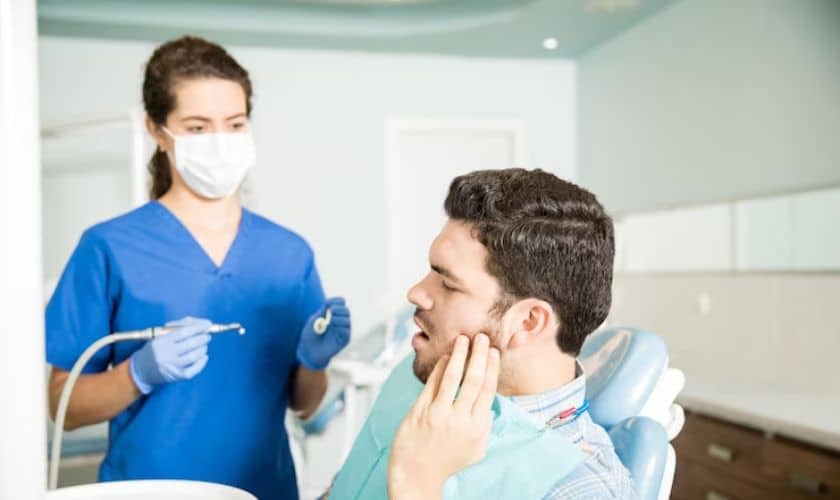
- Severe Toothache: If you have sudden and intense tooth pain that persists, it could be an indication of an underlying issue such as infection or tooth damage. Don’t ignore persistent toothaches; they could worsen over time if left untreated.
- Loose or Knocked-Out Tooth: If your tooth becomes loose due to trauma or gets completely knocked out, it’s important to act quickly. Saving the natural tooth is possible if immediate dental attention is sought.
- Bleeding Gums: Bleeding gums during brushing or flossing can be a sign of gum disease or other oral health problems. While occasional mild bleeding may not necessarily qualify as an emergency, excessive and persistent bleeding should not be ignored.
- Swelling in the Face or Jaw: Swelling in the face or jaw area can indicate infection, abscesses, or other serious conditions requiring urgent attention from a dentist.
- Broken Dental Restorations: When fillings, crowns, bridges, dentures, or other dental restorations break or become damaged, they may cause discomfort and affect your ability to eat and speak properly. It’s essential to have them repaired promptly by your dentist.
- If you experience any of these symptoms mentioned above (or similar ones), don’t hesitate to reach out for professional advice from your dentist. Remember that early intervention can prevent further complications down the line!
Where to Go for Care if You Are Injured or Experiencing a Dental Emergency
- When you are injured or experiencing a dental emergency, it’s crucial to seek immediate care from a dental professional. Knowing where to go for help can make all the difference in saving your teeth and alleviating pain.
- The first place you should consider going is your regular dentist’s office. They are familiar with your dental history and can provide personalized care. If it’s during normal office hours, call ahead to let them know about the emergency so they can prepare for your arrival.
- If your dentist is unavailable or it’s after hours, an urgent care clinic may be an option. Many of these clinics have dentists on staff who can handle emergencies such as severe toothaches, knocked-out teeth, or broken dental work.
- Hospital emergency rooms should only be considered if there is severe bleeding or trauma involving other parts of the face and head. While they may not have specialized dental equipment, they can stabilize injuries until you can see a dentist.
- In some cases, you may need to research nearby emergency dentists who specialize in handling dental emergencies outside regular business hours. These professionals have flexible schedules specifically designed to accommodate urgent cases.
- Remember that prevention is always better than cure when it comes to oral health. Regular visits to the dentist for check-ups and practicing good oral hygiene will reduce the chances of encountering a dental emergency.
- Stay prepared by knowing where to go for care in case of a dental emergency – don’t wait until one happens! By being proactive and seeking prompt treatment when needed, you’ll ensure the best possible outcome for your oral health.
To sum it up, understanding what constitutes a dental emergency and knowing where to seek appropriate care is crucial for maintaining your oral health. Dental emergencies can arise from various causes such as accidents, trauma, infection, or severe pain. It’s important to recognize the signs of a dental emergency which include severe toothache, knocked-out teeth, broken or cracked teeth, excessive bleeding or swelling in the mouth.
When faced with a dental emergency, it is best to seek immediate treatment from a professional dentist. They have the expertise and equipment necessary to address your specific needs promptly and effectively. Emergency dental clinics are available outside regular office hours for urgent cases that cannot wait.
Remember that prevention is always better than cure when it comes to dental emergencies. Maintaining good oral hygiene practices and scheduling regular check-ups with your dentist can help prevent many potential issues before they become emergencies.
Being prepared for a dental emergency involves understanding what qualifies as an emergency situation and knowing where to go for prompt care. By staying informed and taking necessary preventive measures, you can ensure that you receive timely treatment should an unexpected event occur. Your oral health matters – don’t hesitate to reach out for help if you need it!