
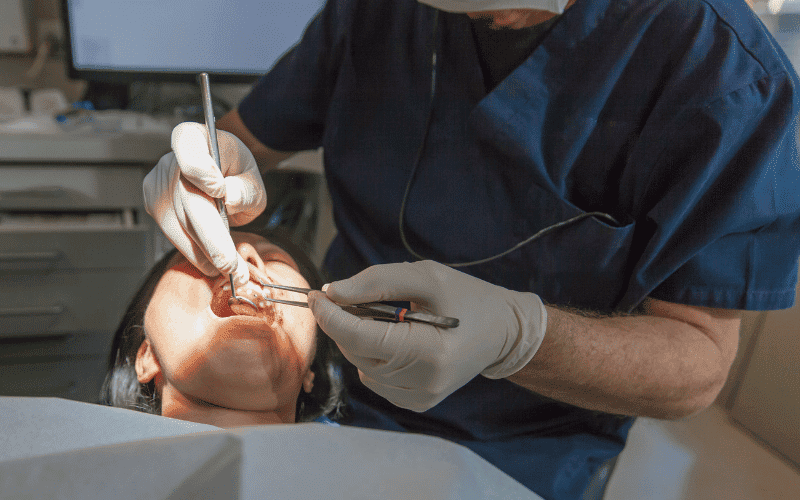
A vital component of general health is oral health. While routine dental care can address most dental issues, some problems require specialized expertise and advanced procedures. Oral surgery encompasses a wide range of procedures performed by a qualified oral and maxillofacial surgeon (OMS) to diagnose, treat, and manage complex dental conditions.
This blog explores situations where oral surgery might be the best course of action for your dental health.
Understanding Oral Surgery
Oral and maxillofacial surgeons are dental specialists who have completed additional training beyond dental school. This training equips them with the skills and knowledge to perform complex surgical procedures in the mouth, jaw, and facial region.
Common Dental Problems Requiring Oral Surgery
While fillings and cleanings can address most cavities and gum disease, some dental issues necessitate oral surgery. Here are some scenarios where an OMS might be involved:
- Impacted Wisdom Teeth: Wisdom teeth are the last set of molars to erupt, usually in your late teens or early twenties. Sometimes, there’s insufficient space in the jaw for them to erupt properly, causing them to become impacted. This may result in discomfort, infection, and harm to the teeth. Oral surgery is usually recommended for the removal of impacted wisdom teeth.
- Severe Gum Disease: Advanced gum disease, also known as periodontitis, can significantly damage the jawbone supporting your teeth. Oral surgery procedures like bone grafting can help regenerate bone loss and create a stable foundation for teeth.
- Jaw Misalignment: Jaw misalignment can cause facial asymmetry, difficulty chewing, and even sleep apnea. Oral surgery procedures like corrective jaw surgery can realign the jawbones for improved functionality and aesthetics.
- Facial Trauma: Facial injuries caused by accidents or sports injuries might require oral surgery to repair fractures, reset jaw alignment, and restore facial structure.
- Dental implants: For those who are missing teeth, dental implants offer a long-term option. Oral surgery is often required to place the implants (artificial tooth roots) in the jawbone.
- Oral Pathology: Oral surgeons are trained to diagnose and treat oral cancers and other pathologic conditions of the mouth and jaw. Depending on the severity, treatment might involve surgical removal of lesions or reconstruction of facial structures.
- Sleep Apnea: In some cases, sleep apnea can be caused by a narrowed airway due to jaw structure. Oral surgery procedures like mandibular advancement surgery can help open the airway and improve sleep quality.
Signs You Might Need Oral Surgery
If you’re experiencing any of the following symptoms, consulting a dentist is crucial to determine the appropriate treatment. They might refer you to an oral surgeon if necessary:
- Persistent pain or discomfort in the jaw or mouth
- Difficulty chewing or speaking
- Swelling or redness in the mouth or face
- Loose teeth or tooth loss
- Unexplained bleeding or numbness in the mouth
- Visible facial asymmetry
- Difficulty breathing or sleep apnea symptoms
Benefits of Oral Surgery
While oral surgery might seem daunting, it offers numerous benefits for your oral health:
- Improved Function: Procedures like wisdom teeth removal or jaw surgery can restore proper chewing and speaking ability.
- Pain Relief: Surgery can address pain caused by impacted teeth, jaw misalignment, or other underlying issues.
- Enhanced Appearance: Oral surgery can correct facial asymmetry or improve the aesthetics of your smile with procedures like dental implants.
- Preserving Teeth: Procedures like bone grafting can help save teeth by preventing further bone loss due to severe gum disease.
- Improved Overall Health: Addressing sleep apnea with oral surgery can lead to better sleep quality and overall well-being.
Finding an Oral Surgeon in Palm Springs
If you suspect you might need oral surgery, consulting a qualified oral and maxillofacial surgeon is crucial. Here are some resources to help you find an OMS in Palm Springs:
- The American Association of Oral and Maxillofacial Surgeons (AAOMS) website: This website allows you to search for AAOMS-member surgeons by location.
- Online directories like Zocdoc or Healthgrades: These platforms let you search for oral surgeons based on your location, insurance, and patient reviews.
- Asking your dentist for a referral: Your dentist can recommend qualified oral surgeons in the Palm Springs area familiar with your dental history.
Oral surgery is a valuable tool in your oral healthcare arsenal. By understanding the situations where it’s necessary and the benefits it offers, you can make informed decisions about your dental health. If you’re experiencing any concerning symptoms, don’t hesitate to consult a dentist and explore the possibility of oral surgery in Palm Springs. Remember, prioritizing your oral health can lead to a lifetime of smiles.
Preparing for Oral Surgery
Once you’ve determined oral surgery might be the best course of action and found a qualified OMS in Palm Springs, here’s what to expect:
Consultation:
The first step is a thorough consultation with your oral surgeon. During this consultation, they will:
- Discuss your symptoms and dental history.
- Perform a comprehensive oral examination and potentially take X-rays or other imaging tests.
- Explain the recommended surgical procedure in detail, including its purpose, risks, and benefits.
- Discuss anesthesia options (local, sedation, or general anesthesia) depending on the complexity of the procedure.
- Answer any questions you have about the surgery and recovery process.
Pre-Surgical Preparation:
Before your surgery, your surgeon will provide specific instructions on how to prepare. These might include:
- Fasting: You may be required to fast for a certain number of hours before surgery, depending on the type of anesthesia used.
- Medications: Inform your surgeon about all medications you’re taking, including prescriptions and over-the-counter drugs. They might advise you to stop taking certain medications before surgery.
- Medical Conditions: Disclose any existing medical conditions you have, as they might influence the surgery or anesthesia.
- Loose Clothing: Wear comfortable, loose clothing that can easily be put on and removed after surgery.
Surgery Day:
On the day of your surgery, it’s important to follow your surgeon’s instructions carefully. This might involve:
- Arriving at the surgical facility on time.
- Bring a trusted friend or family member to accompany you and drive you home after surgery.
- Have any necessary paperwork completed beforehand.
Recovery After Oral Surgery
Following your surgery, your surgeon will provide detailed instructions to ensure proper healing and minimize discomfort. Here are some general recovery tips:
- Pain Management: Your surgeon will prescribe pain medication to manage post-surgical discomfort.
- Rest and Relaxation: Prioritize plenty of rest during the initial recovery period.
- Diet: Depending on the surgery, you might need to adhere to a soft diet for a few days.
- Oral Hygiene: Maintain good oral hygiene by gently cleaning your mouth with a saltwater rinse according to your surgeon’s instructions.
- Minimize Swelling: Apply ice packs to the surgical site to reduce swelling.
- Follow-Up Appointments: Attend all scheduled follow-up appointments with your surgeon to monitor healing and address any concerns.
Additional Tips for a Smooth Recovery:
- Stock up on soft foods and pain relievers before surgery.
- Invest in comfortable pillows to elevate your head while sleeping, promoting proper drainage.
- Arrange for help with household chores and errands during the initial recovery period.
- Avoid strenuous activity or exercise for the recommended timeframe.
- Abstain from smoking and alcohol consumption, as they can impede healing.
Oral surgery in Palm Springs can be a transformative experience, resolving complex dental issues and improving your overall oral health. By understanding when it’s necessary, and what to expect before, during, and after surgery, you can approach the process with confidence. Remember, clear communication with your qualified oral surgeon is key to a successful outcome and a smooth recovery. Don’t hesitate to ask questions and express your concerns throughout the process.