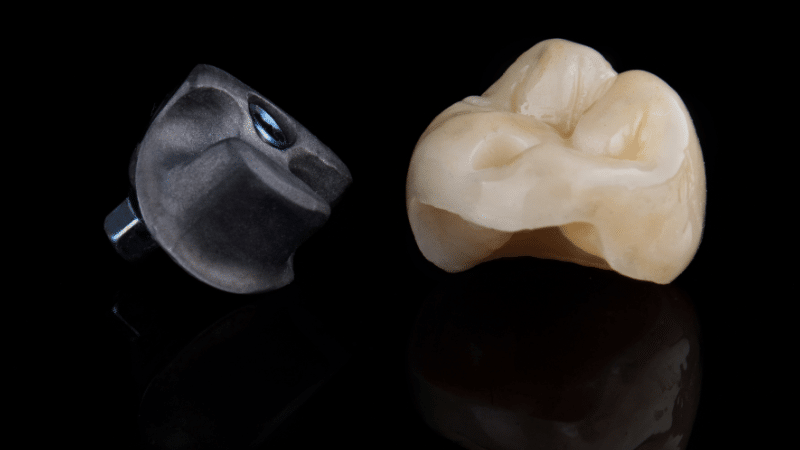
Dental crowns are wonders of modern dentistry, restoring damaged or weakened teeth and enhancing your smile. But like any dental restoration, they aren’t indestructible. The lifespan of dental crowns is often a topic of concern for individuals seeking oral health solutions. While they offer significant durability, several factors can contribute to a crown breaking. Understanding when a crown might break can help you take preventative measures and ensure a long, healthy lifespan for your dental crown.
Factors Affecting Dental Crown Lifespan
Dental crowns, on average, can last anywhere between 5-15 years. However, this lifespan is highly dependent on several factors:
- Material: The material used for the crown plays a significant role in its durability. Here’s a breakdown of common crown materials and their susceptibility to breakage:
- Porcelain Fused to Metal (PFM): This is a popular and cost-effective option. The porcelain layer can chip or crack, especially with heavy biting or chewing on hard foods. The metal substructure is quite strong, but over time, the porcelain layer can wear down, exposing the metal underneath.
- All-Porcelain Crowns: These offer a more natural-looking aesthetic but are more susceptible to chipping or breaking, particularly with heavy biting forces.
- Gold Crowns: These are highly durable and resistant to breakage. However, they may not be the most aesthetically pleasing choice for everyone.
- Zirconia Crowns: These offer a good balance of strength and aesthetics. They are less likely to chip or break than porcelain crowns and are a popular choice for front teeth.
- Bite Force and Habits: People who grind their teeth (bruxism) or clench their jaw unconsciously put extra stress on their crowns, increasing the risk of breakage. Additionally, using your teeth for tasks like opening bottles or chewing on hard objects can also contribute to cracks or fractures.
- Underlying Tooth Condition: The condition of the tooth underneath the crown also plays a role. If the tooth has decay or infection, it can weaken the crown’s structure and increase the risk of breakage.
- Dental Hygiene: Poor oral hygiene can lead to decay around the crown, compromising the seal between the crown and the tooth. This can eventually lead to the crown becoming loose or breaking.
- Quality of Dental Work: The skill and experience of the dentist who places the crown can significantly impact its lifespan. A well-made and properly fitted crown will last longer than a poorly made one.
- Age of the Crown: Like any dental restoration, crowns naturally degrade over time. The materials used and the factors mentioned above will determine how long a crown lasts before needing replacement.
Signs Your Dental Crown Might Be Breaking
While dental crowns are designed to be durable, they can still encounter issues over time. Being aware of the signs that your crown might be breaking is crucial for addressing problems early and avoiding further dental complications. Here are some signs that indicate your artificial teeth are on the verge of breaking:
- Chipping or cracking of the crown material
- Pain or sensitivity in the crowned tooth
- Discomfort or looseness around the crown
- Difficulty biting or chewing
If you experience any of these signs, it’s crucial to contact your dental professional immediately to assess the damage and determine the best course of action.
Tips to Extend the Lifespan of Your Dental Crown
- Practice good oral hygiene: Brush and floss regularly to maintain good oral health and prevent decay around the crown.
- Avoid using your teeth for tasks other than chewing: Don’t use your teeth to open bottles, crack nuts, or chew on hard objects.
- Wear a mouthguard if you grind your teeth: This can help protect your crown from the stress of bruxism.
- Schedule regular dental checkups: Regular dental checkups allow your dentist to monitor the condition of your crown and identify any potential problems early on.
In the end, The answer to ‘When do your dental crowns break?’ is simple yet chilling- they can break at any moment, leaving you vulnerable and exposed. You may be going about your day, feeling secure in the knowledge that your teeth are protected by these seemingly invincible crowns when, suddenly, disaster strikes. Perhaps you bite down on something unexpectedly hard, or maybe a sudden impact causes them to shatter into tiny pieces. The consequences are dire – not only do you feel excruciating pain and discomfort, but you also face the daunting prospect of costly repairs and replacements. Your once pristine smile is now marred by broken fragments of what was once a symbol of dental perfection.
Pay Visit To Dental Clinic Today!
In this cruel twist of fate, one thing becomes abundantly clear- when it comes to dental crowns, the guidance of professional dental help is a ‘must.’ If you ever suspect your crown might be breaking, don’t hesitate or delay to schedule an appointment with your dentist to get it checked out.